How Renderings Are Changing The Design Process
Ask the Expert: Caelin Wooten- Built Square Designer
June 15th, 2026
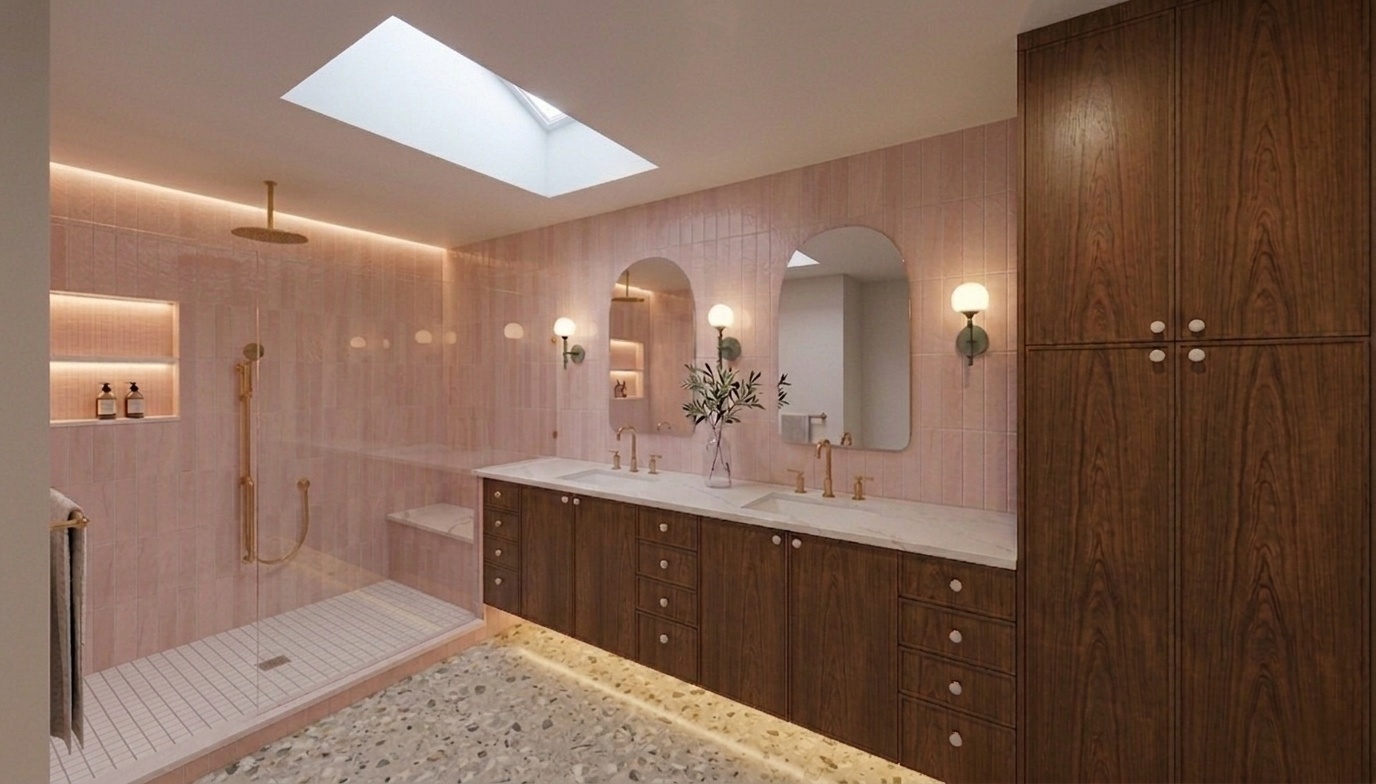
Today’s renderings help clients see their future space before a single material is ordered, making the design process faster, clearer, and far more collaborative. From reducing guesswork to unlocking bolder creative decisions, visualization is reshaping how designers design and how homeowners dream.
For this post, I sat down with Built Square designer Caelin to talk about how visualization tools are changing his workflow, elevating client understanding, and opening the door to bolder, more confident design decisions.
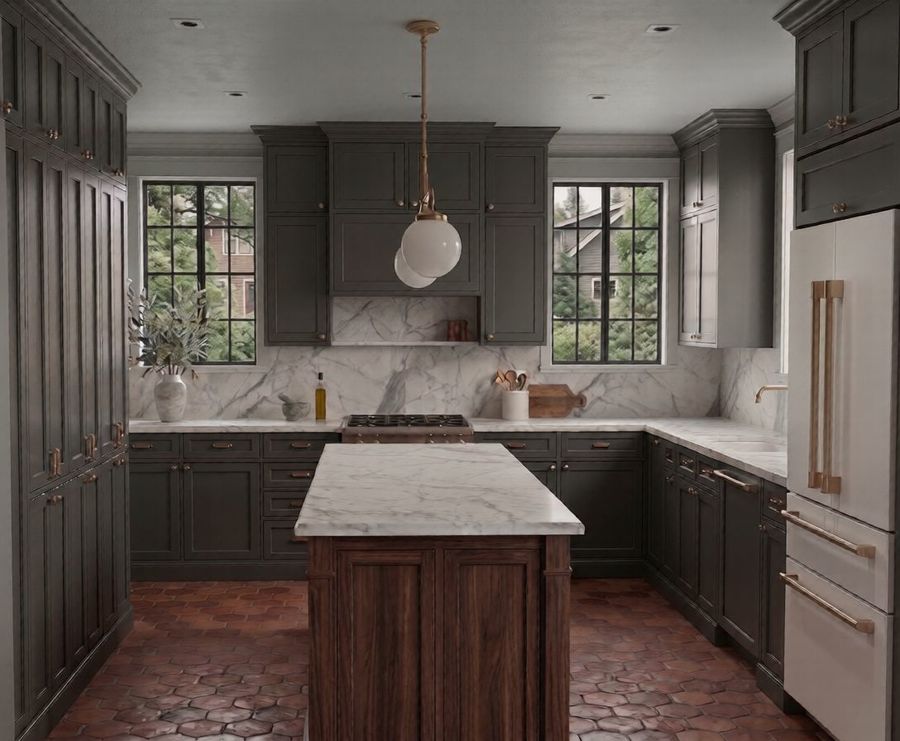
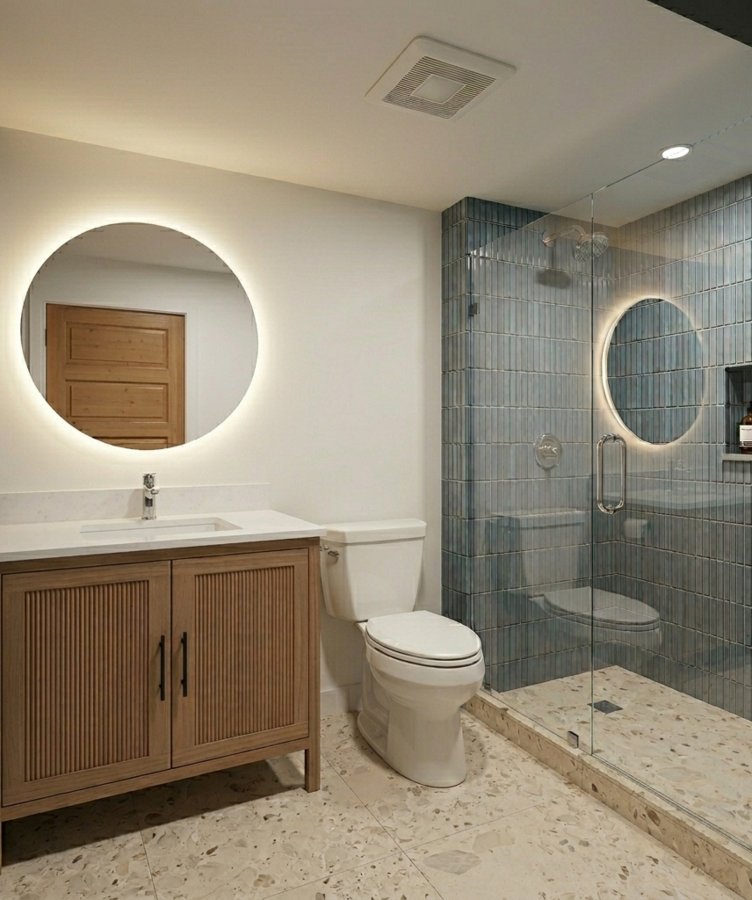
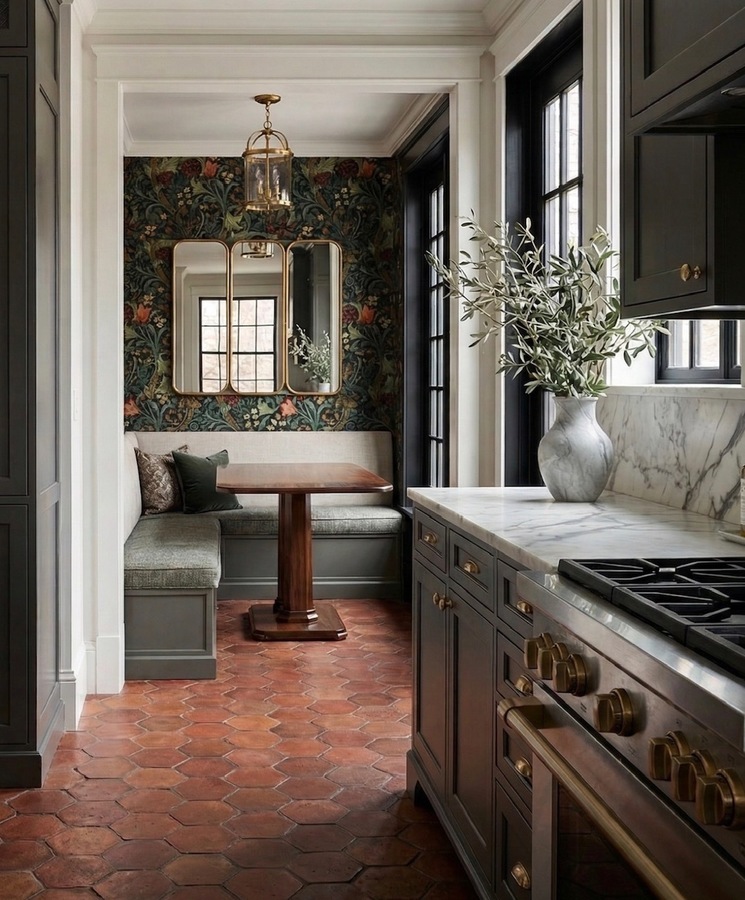
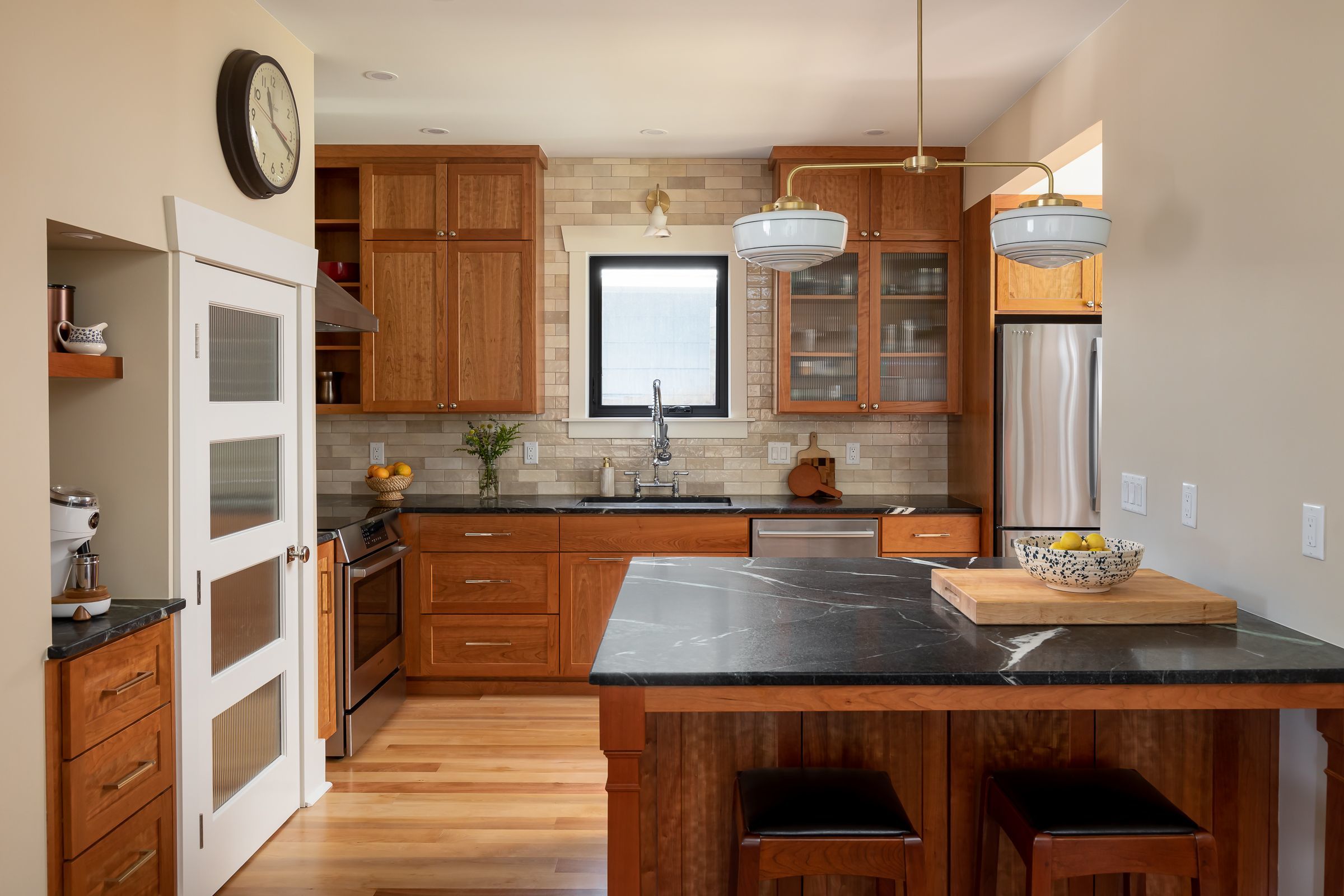
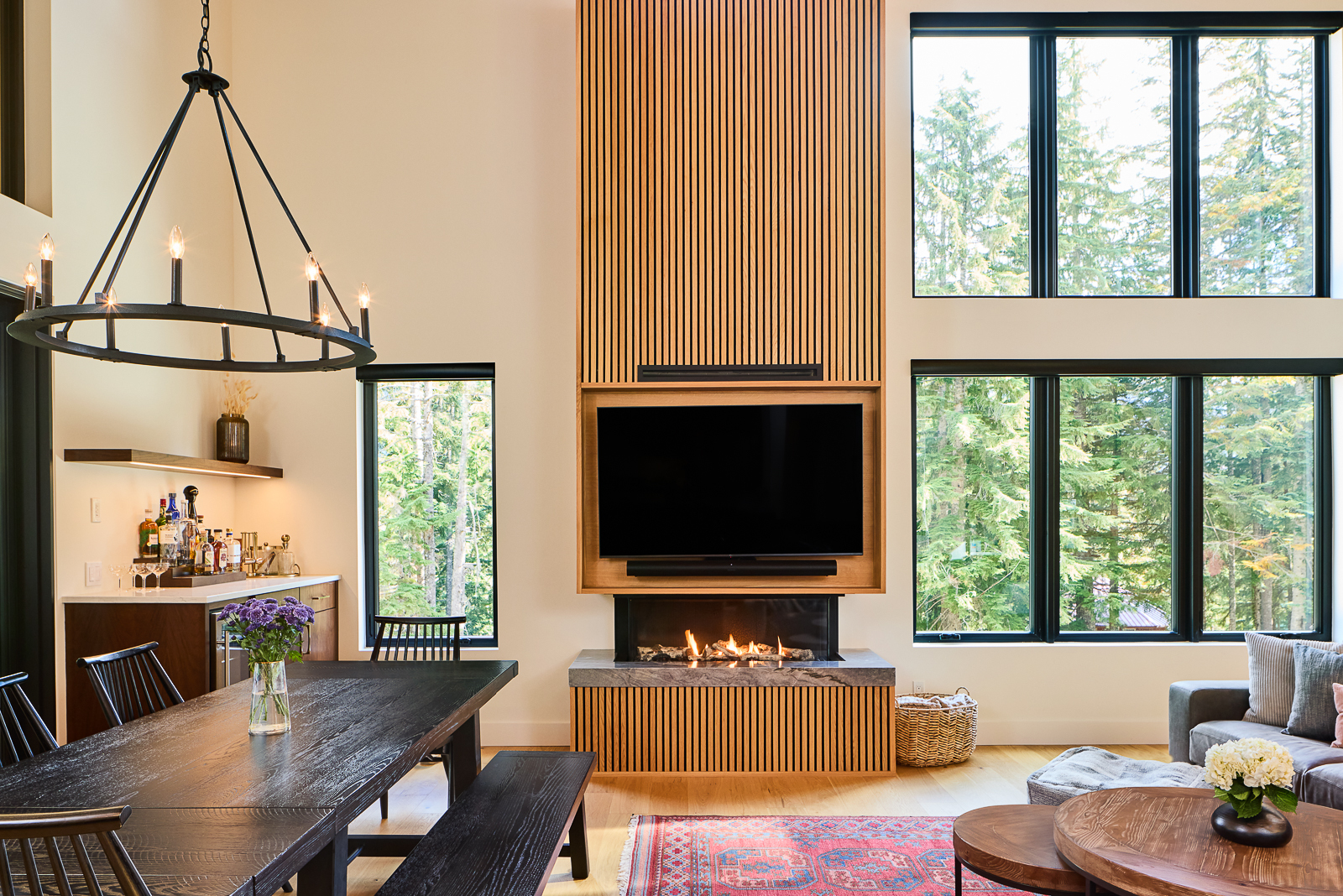
When I met up with Caelin, I asked him how renderings have opened up new possibilities in the design process — and his perspective was spot‑on. He talked about how visualization helps clients make decisions more quickly and confidently, removing a lot of the back‑and‑forth that used to slow projects down. It’s almost unbelievable that the images featured in this post aren’t real photographs. They’re renderings — incredibly realistic ones — and they show just how far this technology has come.

How have renderings changed your approach to the design process compared to when you first started in the industry?
Architecture school didn't teach us rendering software; I learned it piecemeal in my free time and at my first job after college. It's definitely become more advanced over the years and is usually now a go-to after conceptual design to better visualize spaces. In the beginning, renderings were very time-consuming and often struggled to display materials properly. With the advancements in AI, it now minimizes workload, conveys the design more realistically, and clients gain confidence in decisions they may feel nervous about.
What do you think renderings allow clients to understand that traditional drawings or mood boards can’t communicate as clearly?
Renderings are super helpful for clients because they can visualize the whole space as if they were standing there in real life. Moodboards help convey the overall vibe of the space, but it's sometimes difficult to still see the vision when looking only at individual components.
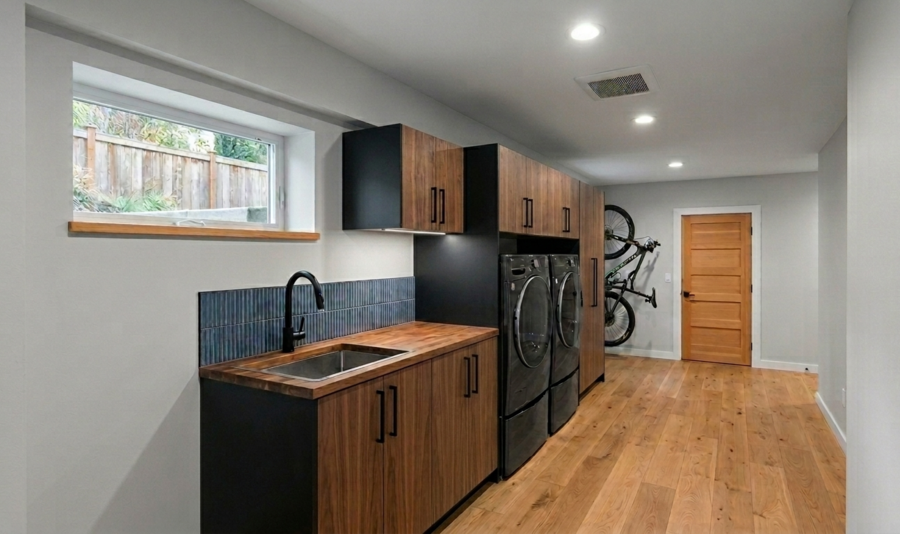
What’s an example of a design element that only came to life because you could visualize it in a rendering?
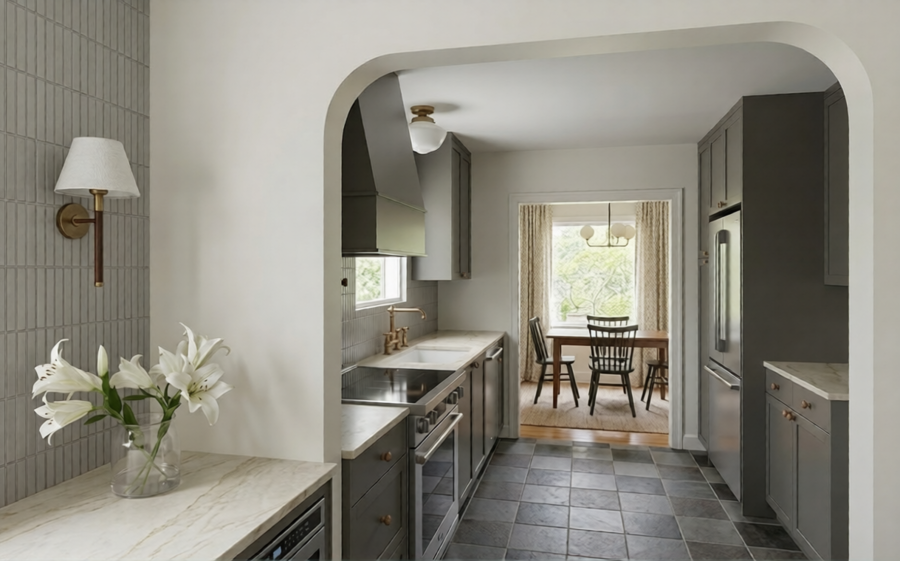
Most recently, we worked with a client to visualize the opening between their kitchen and dining room. The renderings helped them decide whether to fully open up the space or keep a cased opening. This saved the stress of decision making during framing and gave the clients confidence that their decision was best.
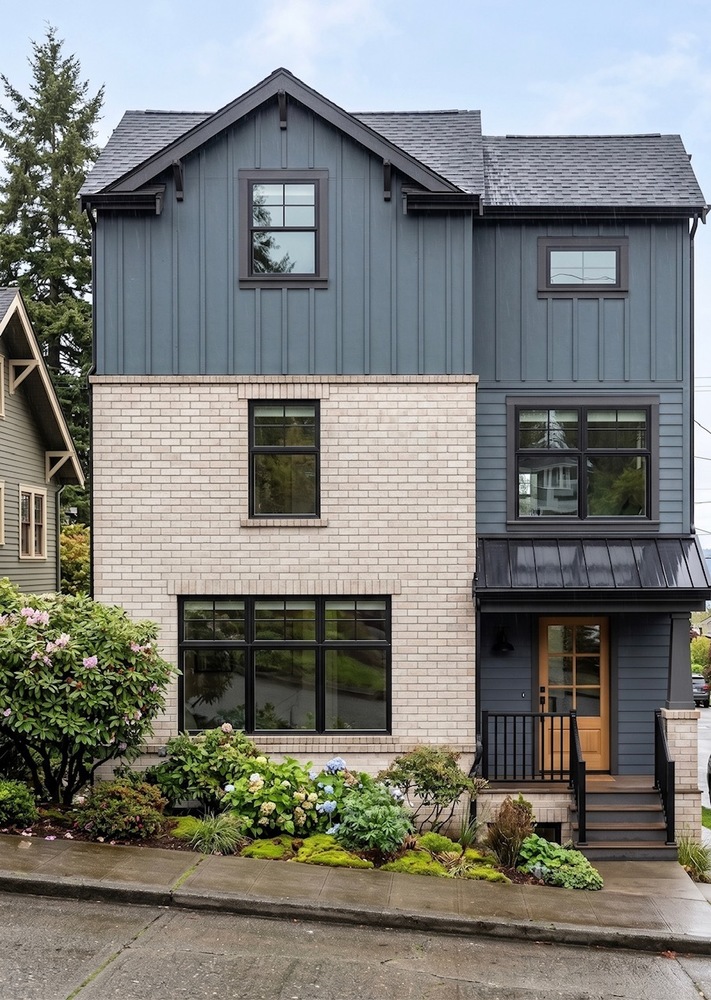
Have you noticed renderings speeding up decision-making or reducing back‑and‑forth?
Overall, renderings definitely help clients speed up their decision making. The ability to change elements quickly in the renderings is definitely a time saver.
As Caelin’s insights make clear, renderings aren’t just enhancing the design process — they’re redefining it. What once required imagination now arrives fully formed, allowing clients to step into their future homes long before construction begins. And this is only the beginning. As visualization tools continue to evolve, we’ll see even more realism, more interactivity, and more opportunities for homeowners to participate in shaping their spaces. The future of design is more collaborative, more efficient, and more creative than ever — and renderings are leading the way.